


Suscríbete GRATIS a nuestra Newsletter
Entérate de todas las noticias, tendencias y novedades del sector cada semana y que no te lo cuenten! De profesional... a profesional
Ayúdanos a compartir. De profesional a profesional.
Comparte esta noticia con tus contactos!
Compartir en Facebook Compartir en Twitter Compartir en LinkedIN

What's new: tasting cheeses with tea
The wine, until now, has been the maximum ally of the cheese in the tastings. That was until now the tea arrived.
Traditionally it is said that cheese and wine combine so beautifully with wine tannins. Tea, especially black tea, puerh tea and oolong tea are very rich in tannins , so we should not be surprised by their alchemy.

What is a bit more unknown is that white wines (which have less tannins than red wines) are even better married to cheese than red wines.
Following this logic, we find a world of green teas and white teas that also produce curious combinations according to the chosen cheese. On the other hand, the pairing of cheese and tea have an additional factor: the temperature of the tea awakens a number of nuances of the cheese that works very differently than with wine.
One of the parallels between the world of tea and the world of cheese is that both are natural products that are produced with very few ingredients. All the teas come from the same Camelia Sinensis. The infinity of varieties are products of the world of the genetics of sub-varieties and cultivars, in combination with the art of their processing and the terroir or natural environment.

On the other hand, all natural cheeses are produced with 4 main ingredients: milk, bacteria for ferment, rennet and salt. What makes each one different so much depends a lot on their processing and the terroir where the animals are raised.
It is especially poetic to notice how in the development of some pairings the cheese predominates first, then it picks up the tea and so on until they merge completely.

The tasting method consists of the following:
1) Smell the cheese and tea separately.
2) Savor the cheese by passing it all over the tongue.
3) Smell the tea and appreciate changes in the taste of the cheese.
4) Take more cheese, if necessary, drink a sip of tea and appreciate the pairing.
5) pause, breathe and inspire the aroma that remains in the mouth.
6) Finish by drinking the tea and appreciate the changes in tea flavors and aftertaste.
Source: Čaj Chai
Novedades en www.expogourmetb2b.com



ProWine Shanghai es la feria comercial internacional líder en China para vinos...
El Grupo Cuevas y Xantar convocan de nuevo el Concurso Gourmet, que celebra...

La Guía MICHELIN presenta su nueva selección de restaurantes de España y...

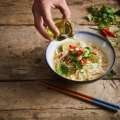
Kokumi es la sensación de cuerpo, profundidad y persistencia que un alimento...
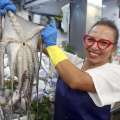
Cada 8 de octubre se celebra el Día Internacional del Pulpo, instituido por...
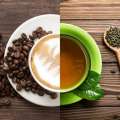
Con un mercado global valorado en más de 300 mil millones de dólares en 2026,...
Durante siglos, la casquería fue la comida de quien no podía permitirse otra...

El esmorzaret es una tradición gastronómica que define a València y a sus...

El mejor croissant de España en 2026 se hace en Barcelona. Por tercer año...
El Consejo Regulador de la Denominación de Origen Protegida (DOP) Torta del...

Bodegas Yllera ha recibido una Mención Especial en la categoría de...

Gastronomic Forum Barcelona ocupará 14.500 m² y volverá a congregar a...
