


Suscríbete GRATIS a nuestra Newsletter
Entérate de todas las noticias, tendencias y novedades del sector cada semana y que no te lo cuenten! De profesional... a profesional
Ayúdanos a compartir. De profesional a profesional.
Comparte esta noticia con tus contactos!
Compartir en Facebook Compartir en Twitter Compartir en LinkedIN

Our markets: Mercado de San Miguel
The Mercado de San Miguel , located in the plaza of the same name, next to the Plaza Mayor in Madrid is a privately owned market whose most remarkable feature is that it retains its original iron structure of the early twentieth century. It has two floors and an area of 1,200 square meters.
Located in the center of historic Madrid and with more than 10 million visitors a year , the Mercado de San Miguel is the gastronomic temple of the city of Madrid, the contemporary essence of every corner of Spanish cuisine.

From the best Iberian ham to the freshest seafood arrived daily from Galicia, Mediterranean rices or the most special cheeses from Castilla, Asturias or the Basque Country. Products and premium wines that arrive from all corners of Spain. Inaugurated in May 1916 as a food market, in May 2009 it became the first gastronomic market . During 2018 the market experiences a period of consolidation of a large part of its gastronomic content.
Its origins and history:
In medieval times this area was open market, surrounded by stalls (cajones) dedicated to the purchase and sale of handmade products produced by the guilds. In the time of José Bonaparte, the old parish church of San Miguel de los Octoes was ordered to be demolished.
In its place was a small square in which it is planned to build the market that would inherit the name of the old parish. In 1809 it was a "bare market " specialized in the sale of fish. The closed market was built between 1913 and 1916 under the supervision of architect Alfonso Dubé y Díez, inspired by other European markets made of iron in the style of Las Halles in Paris. However, its commercial activity is much earlier, since in its location there was an open-air grocery market before.

The Market of San Miguel was inaugurated on May 13, 1916. It had been built in two phases (the first one completed in 1914) so as not to interrupt the commercial operation of the market. Its most characteristic elements are the cast iron supports of the structure, the composition of the roofs, the drainage system and the ceramic crest that crowns the roof.
The cost of the works was three hundred thousand pesetas of the time. The exterior glazing is posterior. San Miguel is the only sample of its kind that is still in the city of the so-called architecture of iron, since all covered markets built in the last third of the nineteenth century were demolished and, in general, replaced by new construction.
In the year 1999 the Community of Madrid approached with European funds and of the own retailers a remodeling that ascended to 150 million pesetas of the time and that returned to the market its original aspect. However, its commercial activity declined little by little as its facilities could not compete against modern supermarkets and shopping centers.
The Market of San Miguel was inaugurated on May 13, 1916. It had been built in two phases (the first one completed in 1914) so as not to interrupt the commercial operation of the market. Its most characteristic elements are the cast iron supports of the structure, the composition of the roofs, the drainage system and the ceramic crest that crowns the roof.

The cost of the works was three hundred thousand pesetas of the time. The exterior glazing is posterior. San Miguel is the only sample of its kind that is still in the city of the so-called architecture of iron, since all covered markets built in the last third of the nineteenth century were demolished and, in general, replaced by new construction.
In the year 1999 the Community of Madrid approached with European funds and of the own retailers a remodeling that ascended to 150 million pesetas of the time and that returned to the market its original aspect.
However, its commercial activity declined little by little as its facilities could not compete against modern supermarkets and shopping centers.
On May 13, 2009, it reopened its doors as we can currently enjoy it.
Novedades en www.expogourmetb2b.com


ProWine Shanghai es la feria comercial internacional líder en China para vinos...

El Grupo Cuevas y Xantar convocan de nuevo el Concurso Gourmet, que celebra...

La Guía MICHELIN presenta su nueva selección de restaurantes de España y...


Kokumi es la sensación de cuerpo, profundidad y persistencia que un alimento...

Cada 8 de octubre se celebra el Día Internacional del Pulpo, instituido por...

Con un mercado global valorado en más de 300 mil millones de dólares en 2026,...
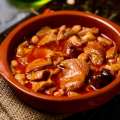
Durante siglos, la casquería fue la comida de quien no podía permitirse otra...
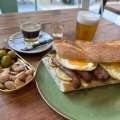
El esmorzaret es una tradición gastronómica que define a València y a sus...

El mejor croissant de España en 2026 se hace en Barcelona. Por tercer año...

El Consejo Regulador de la Denominación de Origen Protegida (DOP) Torta del...
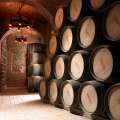
Bodegas Yllera ha recibido una Mención Especial en la categoría de...
Gastronomic Forum Barcelona ocupará 14.500 m² y volverá a congregar a...
