


Suscríbete GRATIS a nuestra Newsletter
Entérate de todas las noticias, tendencias y novedades del sector cada semana y que no te lo cuenten! De profesional... a profesional
Ayúdanos a compartir. De profesional a profesional.
Comparte esta noticia con tus contactos!
Compartir en Facebook Compartir en Twitter Compartir en LinkedIN

The keys to distinguish a good Iberian ham
The best way to recognize an Iberian ham is to read and thoroughly know the labeling. But, so that they do not deceive us with imitations, take note of the aspects in which you should look to distinguish a good Iberian ham when buying a piece:

Features:
Race: Within this characteristic there are three types: Iberian pigs (dark skin), white pigs (the skin color of these pigs is pink), and then a type of breed that is a mixture of the two previous ones.
The Quality Standard of the Ministry of Environment and Rural Environment, also admits with the denomination of Iberian pig to the crossed pigs, of pure Iberian mother and white father `duroc jersey' to 50%.
Regarding the label, if the pig is totally Iberian, of pure mother and father, it has the denomination of Pure Iberian. If this is not the case, they are only referred to as Iberian.

Feeding: Depending on how the pigs are fed, there are several categories:
Bait: animals fed on feed on farms.
Bait field: fed bait but not only on farms, if not also outdoors.
Recebo: pigs that spend time in montanera, and finally feed on feed
Acorn: or of montanera, they feed on acorns loose in the pasture.
Appearance: In a good ham you can see that the pieces of ham must be elongated and stylized, the cane is thin and the hoof normally is black.
With respect to the meat, it should be between pink and red, and with veins of fat, fibrous texture. And finally, the fat should shine once the ham is sliced.
On the denominations side, the animals can come from several territories or areas full of dehesas of oaks, cork oaks and moans, located in Córdoba, Seville, Huelva, Cádiz and Málaga, and also by Cáceres and Badajoz.

As a conclusion, if you want to buy a good Iberian ham, do not forget the IBERICO, PURO and BELLOTA labels.
Novedades en www.expogourmetb2b.com


ProWine Shanghai es la feria comercial internacional líder en China para vinos...

El Grupo Cuevas y Xantar convocan de nuevo el Concurso Gourmet, que celebra...
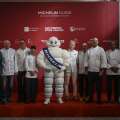
La Guía MICHELIN presenta su nueva selección de restaurantes de España y...


Kokumi es la sensación de cuerpo, profundidad y persistencia que un alimento...

Cada 8 de octubre se celebra el Día Internacional del Pulpo, instituido por...
Con un mercado global valorado en más de 300 mil millones de dólares en 2026,...
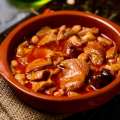
Durante siglos, la casquería fue la comida de quien no podía permitirse otra...
El esmorzaret es una tradición gastronómica que define a València y a sus...

El mejor croissant de España en 2026 se hace en Barcelona. Por tercer año...
El Consejo Regulador de la Denominación de Origen Protegida (DOP) Torta del...
Bodegas Yllera ha recibido una Mención Especial en la categoría de...

Gastronomic Forum Barcelona ocupará 14.500 m² y volverá a congregar a...
